

Last updated: October 2026. Reviewed by Ian Singer, Director and Principal Registered Migration Agent (MARN 0001947), Australia Migrate.
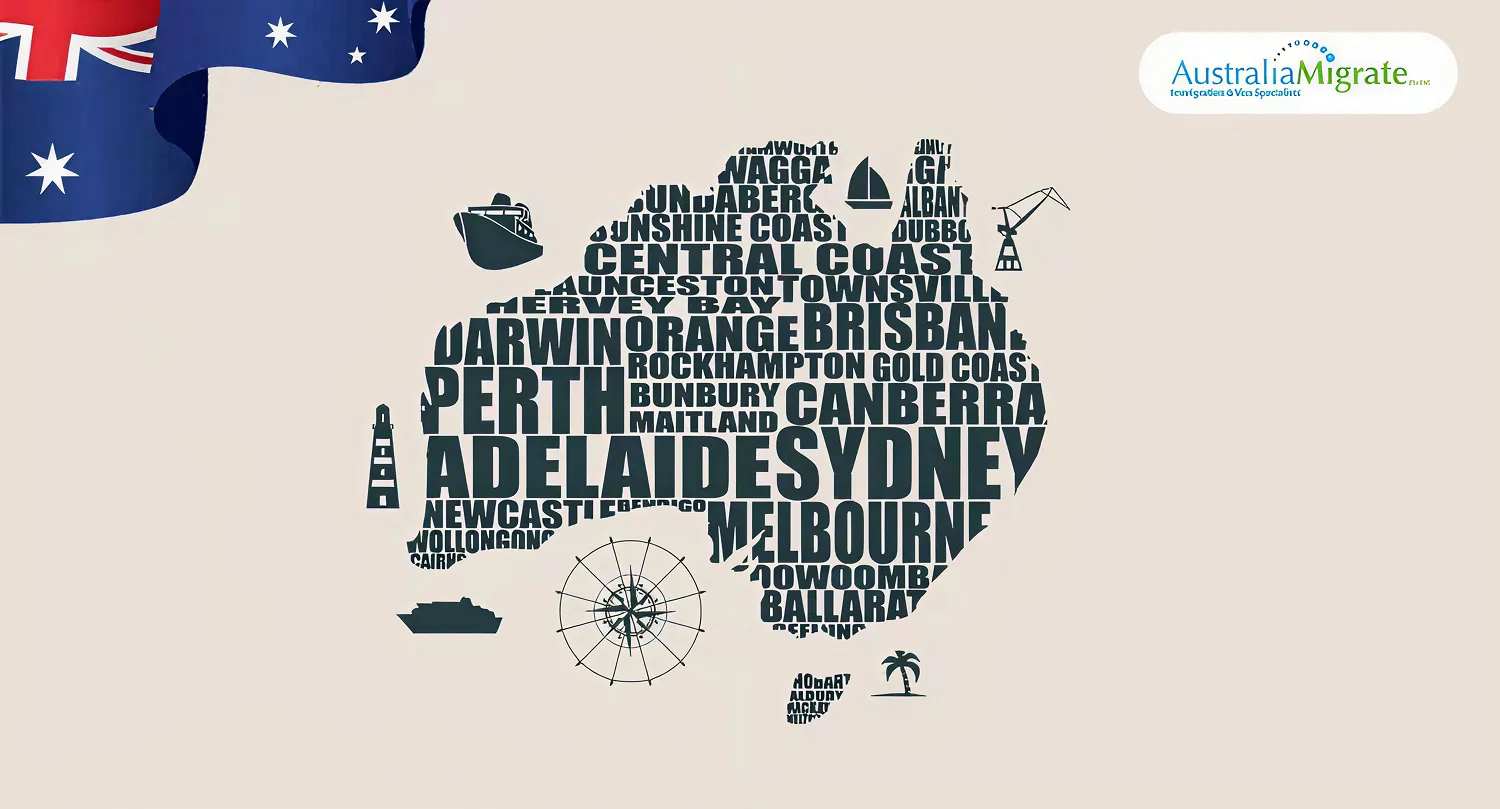
Choosing the best cities to live in Australia comes down to cost, climate, career and lifestyle. In 2026, three Australian capitals sit inside the world’s top 10 most liveable cities, and every mainland capital offers a different balance of beaches, jobs and affordability. This guide ranks the seven best places to live in Australia for expats and new migrants, with current costs, liveability scores and the visa points that matter when you plan your move.
Melbourne, Sydney and Adelaide all placed in the global top 10 of the EIU Global Liveability Index 2026, with Perth and Brisbane close behind. Costs vary a lot between them. A single person might spend around AUD 2,800 a month in Hobart and over AUD 5,000 in Sydney once rent is counted. Where you settle should match your budget, your industry and the climate you enjoy.
Best cities to live in Australia in 2026 at a glance
Here is a quick snapshot of the seven best cities to live in Australia, ranked by the EIU Global Liveability Index 2026 (survey of 173 cities, conducted May 2026):
- Melbourne – 3rd most liveable city in the world. Best for culture, study and public transport.
- Sydney – 4th in the world. Best for careers, salaries and coastal lifestyle.
- Adelaide – 8th in the world. Best value capital, famous for wine and short commutes.
- Perth – 13th in the world. Best for mining, resources and a sunny, relaxed pace.
- Brisbane – 14th in the world. Best for warm weather and jobs ahead of the 2032 Olympics.
- Canberra – the capital with Australia’s highest full-time earnings. Best for families and public-sector work.
- Hobart – Australia’s most affordable capital for housing. Best for a slower, nature-first life.
Read on for a city-by-city breakdown, a cost of living comparison table, a step-by-step way to choose, and the visa questions to settle before you pack.
How we chose the best cities to live in Australia
Liveability is more than a nice view. Our ranking leans on the EIU Global Liveability Index 2026, which scores cities on stability, healthcare, culture, environment, education and infrastructure. We then layered on the things that matter to migrants: cost of living, housing, job markets and visa pathways. As a registered migration agency, we see which cities suit skilled workers, families and partners, and where the jobs line up with Australia’s skilled visa lists. Your eligibility and the right visa depend on your own circumstances, so treat this as a starting point, not advice for your case.
Melbourne
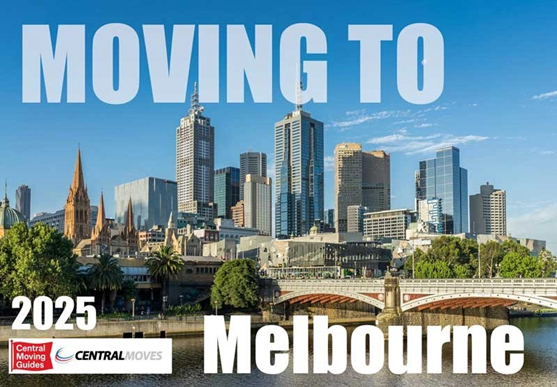
Melbourne is the best city to live in Australia for culture, study and public transport. It ranked 3rd in the world on the EIU Global Liveability Index 2026, with a near-perfect score and top marks for healthcare and education. Victoria’s capital mixes big-city energy with a relaxed, creative streak that keeps drawing newcomers.
Why Melbourne is great for expats
Melbourne is home to around 5.4 million people and is one of Australia’s two largest cities, on track to become the biggest by population. It is one of the most multicultural places in the country, so new arrivals find their own community fast. Laneway cafes, live music and year-round festivals give the city a strong social life that helps you settle in.
Melbourne lifestyle and community
Getting around is easy. Melbourne runs the largest tram network outside Europe, and the free City Circle tram makes the centre simple to explore. Sports fans get the Australian Open, the Formula 1 Grand Prix and the AFL. The catch is the weather, often called “four seasons in one day”, so pack layers whatever the month.
Melbourne cost of living
Melbourne is the second most expensive capital after Sydney. A single person can expect an indicative monthly budget of roughly AUD 3,500 to 4,800 including rent, based on Numbeo and Domain rental data (October 2026). Median house rents sit near AUD 600 a week, with inner-city apartments higher. Costs shift with suburb and lifestyle, so check current listings before you commit.
Jobs and economy in Melbourne
Melbourne’s economy is broad, with strong demand in health, education, finance, tech and construction. Many roles in these fields appear on Australia’s skilled occupation lists, which can open a skilled visa pathway if your occupation and skills assessment line up.
Pros of living in Melbourne:
- Ranked 3rd most liveable city in the world (EIU 2026)
- Excellent trams, trains and buses
- Rich arts, food and sporting scene
Cons of living in Melbourne:
- Changeable weather across a single day
- Second-highest living costs in the country
- Competitive rental market
Sydney
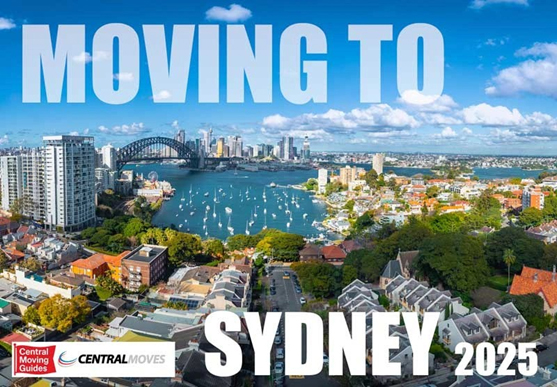
Sydney is the best city to live in Australia for careers, salaries and coastal lifestyle. Australia’s largest city ranked 4th in the world on the EIU Global Liveability Index 2026. Around the harbour you get world-class jobs, famous beaches and a buzzing international scene, all at the country’s highest prices.
Why Sydney is great for expats
Sydney is Australia’s biggest city, with about 5.6 million residents, and close to 40% were born overseas. That makes it one of the easiest places to feel at home as a newcomer. It is the head-office capital for finance, tech and professional services, so senior and specialist roles are concentrated here.
Sydney lifestyle and community
Life splits between city buzz and the coast. Bondi, Manly and Coogee are a short trip from the centre, and hundreds of parks give families room to spread out. The Opera House, harbour walks and a packed events calendar keep weekends full. The trade-off is traffic and long commutes from outer suburbs.
Sydney cost of living
Sydney is Australia’s most expensive city. An indicative single-person budget runs from about AUD 4,000 to 5,500 a month including rent (Numbeo and Domain data, October 2026). Median house rents are the highest in the country, close to AUD 780 to 800 a week. Many newcomers share a home or start in an outer suburb to manage the cost.
Jobs and economy in Sydney
Sydney leads in finance, banking, technology, media and professional services, and pays some of the highest salaries in Australia. If an employer wants to sponsor you, an employer-sponsored visa lets an Australian business nominate you for a skilled role.
Pros of living in Sydney:
- Strong job market and competitive salaries
- Mild winters and warm summers
- Beaches and harbour at your doorstep
Cons of living in Sydney:
- Highest housing costs in Australia
- Heavy traffic and long commutes
- High day-to-day living costs
Brisbane
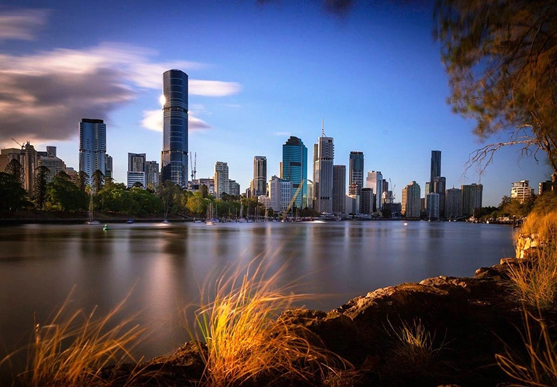
Brisbane is the best city to live in Australia for warm weather and steady job growth. Queensland’s capital ranked 14th in the world on the EIU Global Liveability Index 2026 and is one of the country’s fastest-growing cities, with the 2032 Olympic and Paralympic Games on the way.
Why Brisbane is great for expats
Brisbane is Australia’s third-largest city, with more than 2.8 million residents. It offers a lower cost of living than Sydney or Melbourne and a sunny, outdoor pace of life. The Games are expected to lift the local economy for years. KPMG research projected around AUD 8.1 billion in benefits to Queensland and about 91,600 full-time-equivalent jobs in the state, though these are forecasts, not guaranteed outcomes.
Brisbane lifestyle and community
The “Sunshine State” capital lives up to its name, with roughly 280 sunny days a year. The Brisbane River shapes city life, with kayaking, riverside dining and the South Bank parklands. The Gold Coast, Sunshine Coast and the Great Barrier Reef are all within easy reach for weekends away.
Brisbane cost of living
Brisbane costs less than the two biggest capitals. An indicative single-person budget is about AUD 3,300 to 4,500 a month including rent (Numbeo and Domain data, October 2026). Median house rents sit near AUD 660 to 680 a week. Prices have risen with demand, so compare suburbs before you sign.
Jobs and economy in Brisbane
Health care, education, construction and business services drive the local economy, and Olympic infrastructure is lifting demand for construction, engineering and trades through the late 2020s. Many of these roles feature on skilled and regional visa lists.
Pros of living in Brisbane:
- Fast-growing economy with strong job demand
- Warm weather and an outdoor lifestyle
- Close to the Gold Coast and the Great Barrier Reef
Cons of living in Brisbane:
- Hot, humid summers
- Public transport is less extensive than Sydney or Melbourne
- Rents rising with population growth
Perth
Perth is the best city to live in Australia for sunshine, space and resources-sector pay. Western Australia’s capital climbed to 13th in the world on the EIU Global Liveability Index 2026, up from 15th the year before. It is the most isolated major city on earth, which gives it a calm, self-contained feel.
Why Perth is great for expats
Perth is home to around 2.2 million people and sits closer to Singapore than to Sydney. That isolation keeps the pace relaxed and the beaches uncrowded. Wages are strong, especially in mining and energy, where many roles pay well above the national average. The economy is also widening into tech, health care and renewables.
Perth lifestyle and community
Perth has arguably the best climate in Australia, with more than 3,000 hours of sunshine a year and a dry Mediterranean summer. Kings Park, the Swan River and white-sand beaches like Cottesloe shape weekends. Leederville and Subiaco suit young professionals, while Claremont draws families. The main downside is distance: flights east are long, and some goods cost more.
Perth cost of living
Perth is more affordable than the eastern capitals, though rents have climbed with the resources boom. An indicative single-person budget is about AUD 3,000 to 4,200 a month including rent (Numbeo and Domain data, October 2026). Median house rents are near AUD 700 to 740 a week. Moving to suburbs such as Joondalup or Rockingham can lower costs.
Jobs and economy in Perth
Mining, resources and energy anchor the Perth economy, with strong demand for engineers, trades, health workers and project staff. Average salaries sit around AUD 95,000 and climb higher in resources. Many in-demand roles appear on skilled and employer-sponsored visa lists.
Pros of living in Perth:
- Sunniest capital, with a dry Mediterranean climate
- High pay in mining and energy
- Uncrowded beaches and plenty of space
Cons of living in Perth:
- The world’s most isolated major city
- Rents rising with the resources sector
- Fewer direct international flights than the east coast
Adelaide
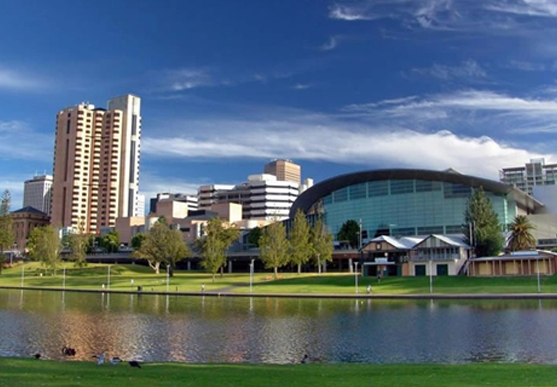
Adelaide is the best value capital among the best cities to live in Australia. South Australia’s capital ranked 8th in the world on the EIU Global Liveability Index 2026. Known as the “20-minute city”, it pairs short commutes and a Mediterranean climate with lower costs than the bigger capitals.
Why Adelaide is great for expats
Adelaide has about 1.5 million residents and actively recruits skilled migrants each year. It has grown into a tech and defence hub, with work in health, education, manufacturing, space, cybersecurity and renewable energy. South Australia also offers state nomination pathways that can suit skilled applicants, subject to current criteria.
Adelaide lifestyle and community
Life here is easy-going. The average commute is close to 25 minutes, well under Sydney’s. Beaches like Glenelg and Henley sit minutes from the centre, and the Barossa Valley and McLaren Vale wine regions are a short drive away. The Adelaide Central Market and a full festival calendar keep the food and arts scene lively.
Adelaide cost of living
Adelaide is one of the most affordable capitals. An indicative single-person budget is about AUD 3,000 to 4,000 a month including rent (Numbeo and Domain data, October 2026). Median house rents sit near AUD 620 to 640 a week, lower than Sydney or Melbourne. Housing stays cheaper than the eastern capitals, though prices have risen.
Jobs and economy in Adelaide
Defence, space, advanced manufacturing, health and clean energy are growth areas, and large employers have opened centres in the city. If you are weighing a regional or state-nominated route, a skilled visa may fit, depending on your occupation and points.
Pros of living in Adelaide:
- Lower cost of living than the big capitals
- Short commutes and an easy pace
- Close to beaches and famous wine regions
Cons of living in Adelaide:
- Fewer jobs in some industries
- Hot, dry summers
- Smaller nightlife than Sydney or Melbourne
Canberra
Canberra is the best city to live in Australia for families and stable, well-paid work. The national capital is a planned city with light traffic, good schools and the highest full-time earnings of any Australian capital. It suits people who value space, safety and a steady career over big-city buzz.
Why Canberra is great for expats
Canberra has about 485,000 residents (Australian Bureau of Statistics, June 2025) and sits between Sydney and the snowfields. The federal government, universities, defence and a growing tech sector drive steady, professional jobs. Full-time workers in the ACT earn more on average than anywhere else in the country, which helps offset housing costs.
Canberra lifestyle and community
The city was designed around nature, with Lake Burley Griffin, bushland reserves and easy cycling. Commutes are short, crime is low and national galleries and museums are free to visit. Families are drawn by strong schools and safe suburbs. Winters are cold by Australian standards, and nightlife is quieter than the big capitals.
Canberra cost of living
Canberra costs sit in the mid-to-upper range, offset by high incomes. An indicative single-person budget is about AUD 3,200 to 4,600 a month including rent (Numbeo and Domain data, October 2026). Median house rents are near AUD 700 a week. Higher salaries mean take-home pay often stretches further than the headline rent suggests.
Jobs and economy in Canberra
Government, defence, higher education, research and tech anchor the job market, with many secure, professional roles. Some positions require Australian citizenship or security clearance, so check requirements for your field before you plan a move.
Pros of living in Canberra:
- Highest full-time earnings in Australia
- Light traffic, green space and strong schools
- Safe, family-friendly suburbs
Cons of living in Canberra:
- Cold winters by Australian standards
- Quieter nightlife and smaller social scene
- Some roles need citizenship or clearance
Hobart
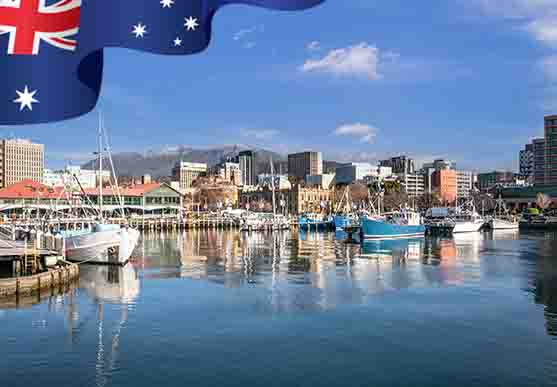
Hobart is the best city to live in Australia for a slower, nature-first lifestyle. Tasmania’s capital is Australia’s second-oldest city and its most affordable capital for housing. Set between the mountains and the sea, it suits people who want community and calm over big-city pace.
Why Hobart is great for expats
Hobart’s Greater Capital City area is home to around 250,000 people, so it is easy to meet people and build connections. The pace is gentle and the setting is striking, with Mount Wellington (kunanyi) rising behind the harbour. Work is steadier in construction, health, viticulture and engineering, though there are fewer roles than on the mainland.
Hobart lifestyle and community
Life revolves around the waterfront, fresh seafood and the arts. The Museum of Old and New Art (MONA) and winter’s Dark Mofo festival draw visitors from across the country. Traffic is light and the natural beauty is hard to beat, but the city is a flight from the mainland, and winters are cool.
Hobart cost of living
Hobart is the most affordable capital for a single person. An indicative budget is about AUD 2,800 to 3,800 a month including rent (Numbeo and Domain data, October 2026). Median house rents are near AUD 550 to 580 a week. Its long-standing affordability gap over Sydney and Melbourne has narrowed, so compare current prices.
Jobs and economy in Hobart
Health, construction, tourism, Antarctic science and viticulture support the job market, though choice is narrower than the mainland. Regional visa options can suit applicants willing to settle in Tasmania, subject to current rules.
Pros of living in Hobart:
- Most affordable capital for housing
- Stunning natural setting and clean air
- Safe, close-knit community
Cons of living in Hobart:
- Fewer job options than the mainland
- Cool winters and a flight from other capitals
- Lower average incomes
Cost of living and liveability comparison (2026)
This table compares the best cities to live in Australia on liveability, cost and jobs. Cost figures are indicative monthly budgets for a single person, including rent, drawn from Numbeo and Domain rental data in October 2026. Prices change often, so verify current figures before you rely on them.
| City | EIU 2026 world rank | Indicative monthly budget (single, incl. rent) | Median house rent (per week) | Key industries | Best for |
| Melbourne | 3rd | AUD 3,500–4,800 | ~AUD 600 | Health, education, finance, tech | Culture, study, transport |
| Sydney | 4th | AUD 4,000–5,500 | ~AUD 780 | Finance, tech, media, services | Careers and salaries |
| Adelaide | 8th | AUD 3,000–4,000 | ~AUD 630 | Defence, space, health, manufacturing | Value and short commutes |
| Perth | 13th | AUD 3,000–4,200 | ~AUD 720 | Mining, energy, health, tech | Sunshine and resources pay |
| Brisbane | 14th | AUD 3,300–4,500 | ~AUD 670 | Health, construction, education | Warm weather and growth |
| Canberra | Not EIU-ranked | AUD 3,200–4,600 | ~AUD 700 | Government, defence, research, tech | Families and stable pay |
| Hobart | Not EIU-ranked | AUD 2,800–3,800 | ~AUD 560 | Health, construction, tourism, science | Affordability and nature |
Sources: EIU Global Liveability Index 2026; Numbeo and Domain rental data, October 2026. Figures are indicative and change frequently. Population figures are drawn from the Australian Bureau of Statistics. [CONFIRM WITH CLIENT: verify cost and rent ranges against current data before publishing.]
How to choose the right Australian city for your move
Use these steps to match a city to your situation:
- Step 1 – Set your budget. Compare the indicative monthly budgets above against your expected income. Rent is the biggest cost, so weigh it first.
- Step 2 – Follow your industry. Pick cities where your occupation is in demand. Finance leans to Sydney, resources to Perth, defence and space to Adelaide, government to Canberra.
- Step 3 – Check your visa pathway. Some skilled and regional visas reward living in specific states or regional areas. Your eligibility depends on your occupation, points and skills assessment.
- Step 4 – Think about climate and pace. Decide whether you want tropical warmth, a dry Mediterranean summer or cool, green winters.
- Step 5 – Visit if you can. A short trip tells you more than any list. Walk the suburbs, test the commute and picture daily life.
Common mistakes expats make when choosing a city
- Chasing the lowest rent only. A cheaper city with few jobs in your field can cost more over time. Weigh income potential, not just rent.
- Ignoring the visa link. Some visas tie you to a state or regional area. Choosing a city before checking your pathway can limit your options later.
- Underestimating distance. Perth and Hobart are beautiful but far from the east coast. Factor in flight costs and time if family is elsewhere.
- Forgetting seasonal climate. Brisbane summers are humid, Canberra winters are cold and Melbourne weather swings daily. Match the climate to what you enjoy.
- Relying on one data point. Costs and rankings shift each year. Use current figures and, for visa decisions, speak to a registered migration agent about your case.
How your visa affects where you can live
Where you can settle often depends on your visa, not just your budget. Skilled and regional visas can award extra points or set conditions for living and working in particular states or regional areas. Employer-sponsored visas tie you to a nominated job and location. Student and partner visas carry their own rules.
A few starting points, all subject to your own circumstances:
- If an Australian business wants to hire you, an employer-sponsored visa (such as the subclass 482 or 186) can nominate you for a skilled role.
- If you qualify on points, a skilled visa may let you choose where to live, or reward settling in a regional area.
- Thinking about a home once you arrive? Our guide to buying property in Australia on a visa explains what temporary residents and PR holders can and cannot buy.
Visa rules change often. For official requirements, check the Department of Home Affairs, and for advice on your situation, speak with a registered migration agent. Visa outcomes and processing times are never guaranteed and depend on individual circumstances.
Key takeaways
- Three Australian capitals — Melbourne (3rd), Sydney (4th) and Adelaide (8th) — rank in the world’s top 10 most liveable cities for 2026, with Perth (13th) and Brisbane (14th) close behind.
- Sydney and Melbourne lead for careers and culture but cost the most, with single-person budgets from around AUD 3,500 to 5,500 a month.
- Adelaide and Perth offer strong value, with Adelaide famous for short commutes and wine, and Perth for sunshine and resources-sector pay.
- Brisbane is growing fast ahead of the 2032 Olympics, while Canberra offers the highest full-time earnings and a family-friendly pace.
- Hobart is the most affordable capital for housing and suits a slower, nature-first life.
- Your best city depends on budget, industry, climate and your visa pathway, which rests on your own circumstances.
FAQs
Q1. What is the best city to live in Australia in 2026?
Melbourne ranks as the best city to live in Australia on the EIU Global Liveability Index 2026, placing 3rd in the world, with Sydney 4th and Adelaide 8th. The “best” city for you depends on your budget, industry and lifestyle, but Melbourne scores top marks for healthcare, education and culture.
Q2. Which Australian city offers the best balance of affordability and quality of life?
Adelaide offers the best balance of value and liveability. It ranked 8th in the world for liveability in 2026, costs less than Sydney or Melbourne, and has short commutes plus easy access to beaches and wine regions.
Q3. What is the most affordable city to live in Australia?
Hobart is the most affordable capital for housing, with an indicative single-person budget of about AUD 2,800 to 3,800 a month including rent. Adelaide and Perth are the most affordable of the larger capitals.
Q4. Which Australian city is best for jobs and careers?
Sydney and Melbourne lead for careers, with the most head offices and the highest salaries in finance, tech and professional services. Perth pays strongly in mining and energy, and Brisbane is growing fast ahead of the 2032 Olympics.
Q5. Which city is best for a warm climate and outdoor lifestyle?
Brisbane and Perth are best for warm, sunny living. Brisbane enjoys about 280 sunny days a year with a subtropical climate, while Perth has a dry Mediterranean summer and more than 3,000 hours of sunshine a year.
Q6. Does my visa affect which Australian city I can live in?
Yes. Some skilled and regional visas award extra points or set conditions for living in particular states or regional areas, and employer-sponsored visas tie you to a nominated location. Your options depend on your visa type and individual circumstances, so it is worth speaking with a registered migration agent before you decide.
Q7. How much does it cost to live in Australia as a single person?
A single person’s monthly budget ranges from about AUD 2,800 in Hobart to over AUD 5,000 in Sydney, including rent, based on Numbeo and Domain data from October 2026. Rent is the largest cost and varies widely by city and suburb.
This guide is general information, not migration advice. Visa eligibility, costs and processing depend on your individual circumstances. For advice on your situation, speak with Ian Singer, Principal Registered Migration Agent (MARN 0001947), at Australia Migrate.