

Introduction
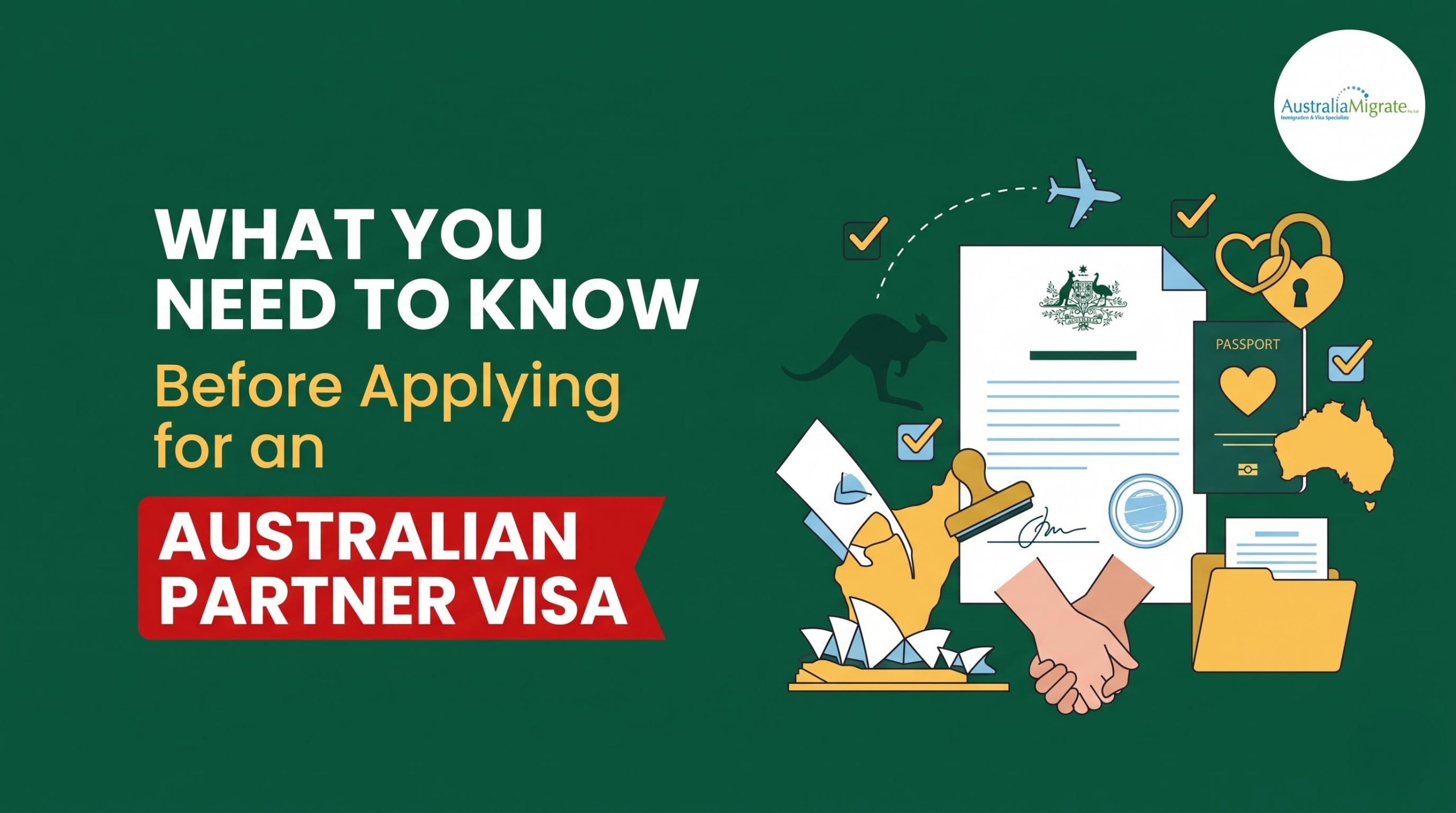
Applying for an Australian Partner Visa can be a complex process, but with the right knowledge and preparation, you can improve your chances of a successful application. Whether you’re married, engaged, or in a de facto relationship with an Australian citizen, permanent resident, or eligible New Zealand citizen, understanding the key requirements and steps is essential. This guide will walk you through what you need to know before starting your partner visa application.
Page Contents
ToggleTypes of Australian Partner Visas
Australia offers different partner visa options based on your relationship status:
- Partner Visa (Subclass 820/801) – For applicants applying from within Australia.
- Partner Visa (Subclass 309/100) – For applicants applying from outside Australia.
- Prospective Marriage Visa (Subclass 300) – For those engaged to an Australian citizen or permanent resident who intend to marry.
Understanding which visa suits your situation will help you gather the correct documentation and meet eligibility criteria.
Key Requirements for an Australian Partner Visa
1. Genuine and Ongoing Relationship
The Department of Home Affairs assesses whether your relationship is genuine and ongoing. You must provide evidence such as:
- Joint financial commitments (bank accounts, bills, property ownership)
- Shared living arrangements
- Social recognition of your relationship (photos, statements from friends and family)
- Communication records
2. Meeting the De Facto Relationship Requirement
If you are in a de facto relationship (not married), you must prove you have been in a committed relationship for at least 12 months before applying, unless you have registered your relationship with an Australian state or territory.
3. Health and Character Requirements
Applicants must undergo health checks and provide police clearance certificates from all countries where they have lived for 12 months or more in the past ten years.
4. Sponsor Eligibility
Your partner (the sponsor) must be an Australian citizen, permanent resident, or eligible New Zealand citizen. There are also limits on how many partner visas a sponsor can sponsor in a lifetime.
The Application Process
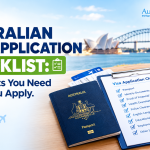
Step 1: Gather Required Documents
Ensure you have all necessary documents, including proof of identity, relationship evidence, and financial records.
Step 2: Lodge Your Application
Applications are submitted online through the ImmiAccount portal. You must pay the visa application fee at the time of submission.
Step 3: Undergo Health and Police Checks
Once your application is submitted, you will receive requests for health examinations and police clearances.
Step 4: Await Processing and Decision
Processing times can vary depending on the visa subclass and complexity of your application. Partner visas typically take between 12 to 24 months to process.
Step 5: Grant of Temporary and Permanent Visa
Initially, a temporary partner visa (Subclass 820 or 309) is granted. After two years, if your relationship is still ongoing, you can apply for a permanent partner visa (Subclass 801 or 100).
Common Reasons for Visa Refusal
- Insufficient evidence of a genuine relationship
- Failure to meet health or character requirements
- Providing false or misleading information
- Ineligible sponsor
To avoid these pitfalls, ensure all documents are accurate, complete, and submitted within the required timeframe.
Frequently Asked Questions (FAQs)
1. Can I work in Australia on a Partner Visa?
Yes, holders of a temporary Australian Partner Visa (Subclass 820 or 309) have full work rights in Australia.
2. How long does it take to process a Partner Visa?
Processing times vary, but most Australian Partner Visa take between 12 to 24 months.
3. Can I include my children in my Partner Visa application?
Yes, dependent children can be included in your application.
4. Do I need to be in Australia to apply?
You can apply from within or outside Australia, depending on your chosen visa subclass.
5. What if my relationship ends before my visa is granted?
If your relationship breaks down, you must notify the Department of Home Affairs immediately. In some cases, exceptions apply, such as domestic violence provisions.
Conclusion
Applying for an Australian Partner Visa requires careful planning and attention to detail. By understanding the eligibility criteria, providing strong supporting evidence, and meeting all requirements, you can improve your chances of a smooth application process. If you need expert assistance, consider consulting a migration professional to guide you through the process.